Longevity in the Twin Cities Job Market: What Employers Want in 2026
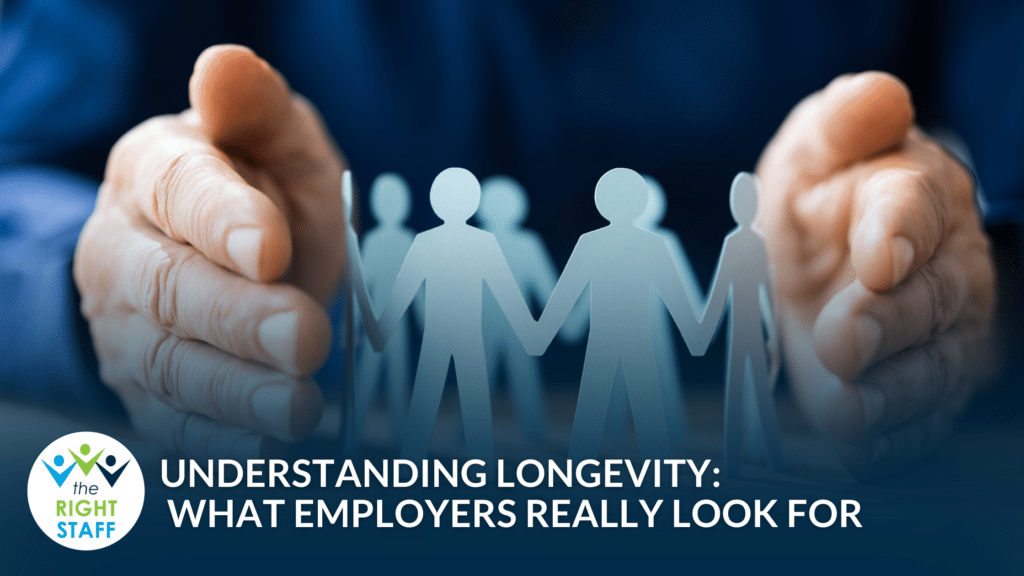
As we step into January 2026, the job market in the Twin Cities, MN, is buzzing with opportunities. One term that frequently arises in interviews and job descriptions is “longevity.” But what does it truly mean, and why is it so important to employers?
In this blog post, we will explore the significance of longevity in the workplace, what employers are looking for, and how you can position yourself as a candidate who meets these expectations.
Why Longevity Matters to Employers
1. Reduced Turnover Costs
Hiring and training new employees can be a costly endeavor for businesses. According to the Society for Human Resource Management (SHRM), the average cost-per-hire is around $4,000, and it can take up to 42 days to fill a position. Employers are keen on candidates who demonstrate a commitment to staying long enough to justify this investment.
2. Team Stability
Frequent turnover can disrupt workflows and negatively impact team morale. When employees stay longer, it fosters a sense of stability within the team, allowing for better collaboration and productivity. Employers value candidates who can contribute to a stable work environment.
3. Knowledge Retention
Long-term employees accumulate valuable institutional knowledge that is often irreplaceable. This knowledge can include company processes, client relationships, and industry insights. Employers prefer candidates who can grow with the organization and contribute to its long-term success.
What Employers Look For
1. Consistent Work History
A resume that showcases steady employment and logical career progression is a strong indicator of a candidate’s reliability. Employers are more likely to favor candidates who have demonstrated a commitment to their previous roles.
2. Commitment to Growth
Employers appreciate candidates who seek development opportunities rather than job-hopping for minor pay increases. Demonstrating a desire for professional growth and skill enhancement can set you apart from other candidates.
3. Cultural Fit
Longevity often depends on how well a candidate aligns with the company’s values and work environment. Employers look for individuals who resonate with their organizational culture and can contribute positively to it.
How to Address Longevity Concerns
1. Explain Short Tenures
If your work history includes multiple short-term roles, be prepared to explain the reasons behind them. Whether it was contract work, company restructuring, or personal circumstances, providing context can help alleviate concerns.
2. Highlight Stability
Emphasize roles where you stayed for several years or projects that demonstrate long-term commitment. This can help paint a picture of your reliability and dedication.
3. Show Future Intent
During interviews, express your interest in growing with the company. Outline how you envision your career evolving within the organization, which can reassure employers of your commitment to longevity.
Bottom Line
Longevity in the workplace is not merely about staying in one job forever; it reflects reliability, adaptability, and a willingness to invest in your employer’s success. By positioning yourself as a candidate who values growth and stability, you can stand out in the competitive job market of the Twin Cities.
Ready to Build Your Career?
If you’re looking for a role where you can establish a long-term career, connect with THE RIGHT STAFF today. We specialize in matching candidates with leading companies in the Twin Cities.